FOR CLINICS & TEAMS
Compression Boots for College Athletic Training Rooms
Rapid Reboot • Updated 2026 • ~7 min read
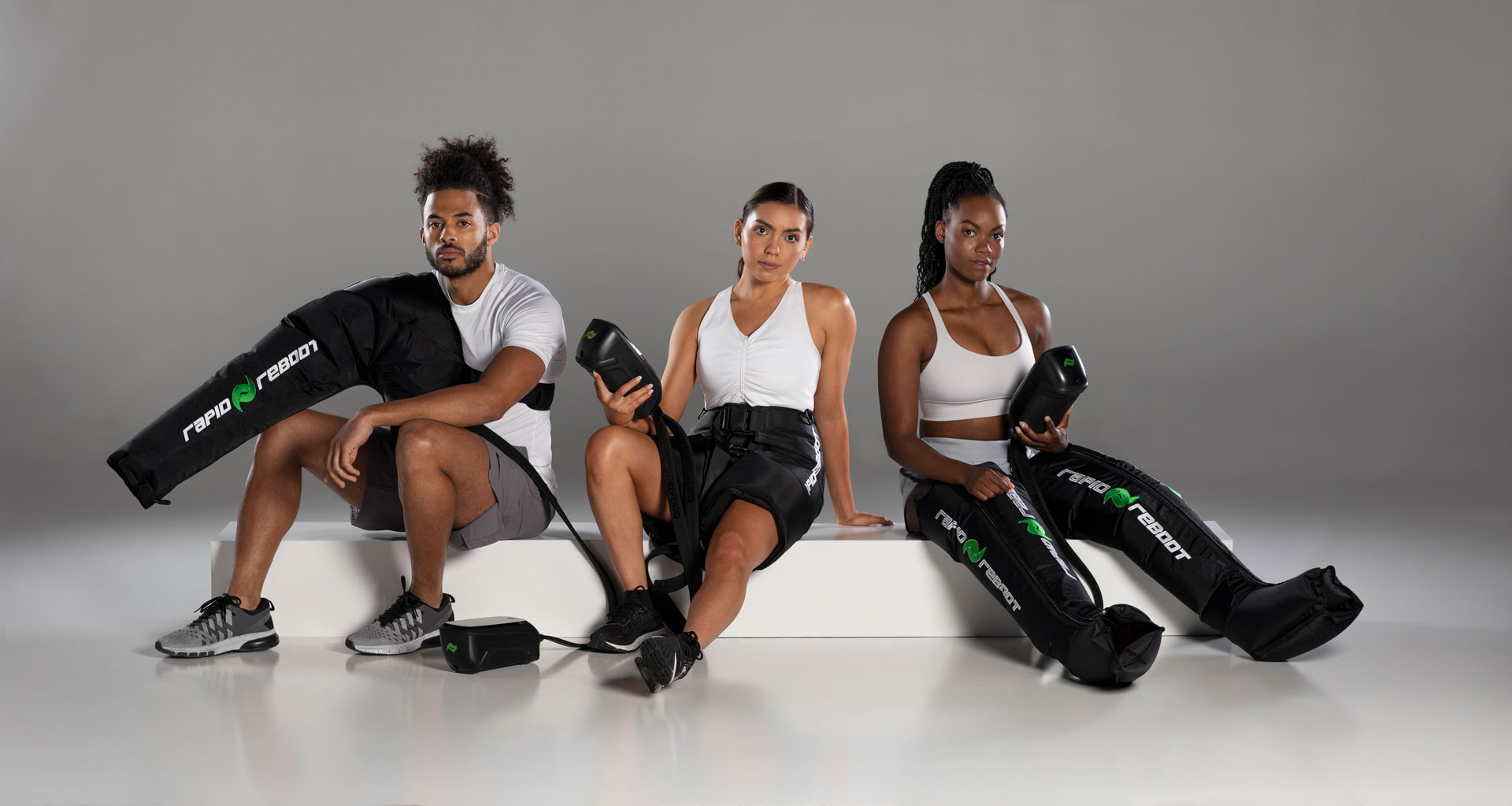
Compression boots are standard equipment in modern college athletic training rooms. A typical NCAA Division I training room handles 40 to 80 athletes rotating through daily during in-season play, and compression boots are one of the highest-utilization pieces of recovery equipment in that setting. A typical D1 training room configuration runs 2 to 4 Rapid Reboot REGEN Complete Packages at $1,595 each plus 2 to 4 additional REGEN Boots Packages at $1,195 each for lower-body-focused days — delivering 4 to 8 simultaneous stations that can turn over quickly between athletes. Team pricing and direct procurement relationships substantially reduce per-unit cost at this volume.
Why Compression Boots Dominate College Training Rooms
College athletic training rooms run on throughput. When 40 or more athletes need recovery support between practices, lifts, and games, the recovery equipment that gets used most is the equipment that accepts the most athletes per hour with the least setup time. Compression boots check every box: sessions are 20 to 30 minutes, setup is fast, pressure and program can be saved per athlete, and the athlete can study, eat, or watch film while recovering. Ice baths and cold plunges require more space, more supervision, and more turnover time between users. Massage guns are complementary but are an individual tool, not a multi-athlete station. Compression boots are the workhorse.
What Training Rooms Need From the Equipment
Durability is first. Training room equipment lives a harder life than home equipment — daily multi-athlete use, rapid turnover, occasional rough handling. The REGEN's magnetic hose connections and reinforced boot construction are designed for this environment. Per-athlete protocol memory is second — a 6'5" basketball center and a 5'4" gymnast need very different pressure and chamber profiles, and the Rapid Reboot Pro app lets each athlete's custom protocol be saved and recalled instantly, eliminating setup time when rotating through a roster. Turnover time is third — Rapid Deflate releases the sleeves fast between athletes, cutting 30 to 60 seconds per session, which adds up to 15 to 30 extra sessions per training room per week. Pressure range is fourth — the REGEN's 0 to 200 mmHg range accommodates both the gentle recovery needs of a marathon runner and the aggressive DOMS-relief protocols that work for a 280-pound lineman.
Typical D1 Configurations
A smaller D1 training room (single sport or sport-specific) typically orders 2 to 3 REGEN Complete Packages. A full D1 multi-sport training room typically orders 2 to 4 Complete Packages plus 2 to 4 additional Boots Packages, for 4 to 8 total stations. A full-sport athletic department with multiple recovery zones across different training rooms may run 8 to 15 units total. Direct procurement contacts at Rapid Reboot handle institutional purchasing, warranty, and service as a single point of contact for the athletic department.
The Cost Math at Team Scale
At D1 utilization — 4 to 8 athletes per station per day, 5 to 6 days per week, 40 weeks per year — the cost per session on a REGEN unit drops below $0.30 in year one and continues dropping across the multi-year life of the equipment. No other recovery modality in the budget delivers that cost-per-session efficiency, and no outside recovery service (massage, cryotherapy, team travel to a recovery facility) comes close on dollars-per-athlete-session.
Related Questions
How many compression boot units does a D1 training room need?
Most D1 training rooms run 4 to 8 stations. A typical configuration is 2 to 4 REGEN Complete Packages plus 2 to 4 additional Boots Packages. Total unit count should scale with roster size and simultaneous session demand rather than team count.
Do professional sports teams use compression boots?
Yes. Compression boots are standard equipment in NFL, NBA, MLB, NHL, and soccer team recovery programs, as well as in Olympic national team training centers. Rapid Reboot equipment is used across college programs and professional teams across the country.
How durable are compression boots in multi-athlete daily use?
The Rapid Reboot REGEN is specifically engineered for training room environments — magnetic hose connections, reinforced boot construction, and a category-leading multi-year warranty. Expected service life under typical D1 utilization is 5 to 7 years for boot attachments with no meaningful performance degradation in the control unit over that window.
Read the Full Guide
For the complete professional buyer guide covering configuration, ROI math, fleet sizing, and institutional procurement, read the full pillar guide: Compression Boots for Clinics, Teams, and Training Rooms.
Rapid Reboot • rapidrebootai@gmail.com • rapidreboot.com
© 2026 Rapid Reboot. Educational content; not medical advice. Rapid Reboot systems are FDA 510(k) cleared as Class II powered inflatable tube massagers for the temporary relief of minor muscle aches and pains and for temporary increase in circulation.
QUICK ANSWER
Compression boots are standard equipment in modern college athletic training rooms. A typical NCAA Division I training room handles 40 to 80 athletes rotating through daily during in-season play, and compression boots are one of the highest-utilization pieces of recovery equipment in that setting. A typical D1 training room configuration runs 2 to 4 Rapid Reboot REGEN Complete Packages at $1,595 each plus 2 to 4 additional REGEN Boots Packages at $1,195 each for lower-body-focused days — delivering 4 to 8 simultaneous stations that can turn over quickly between athletes. Team pricing and direct procurement relationships substantially reduce per-unit cost at this volume.